
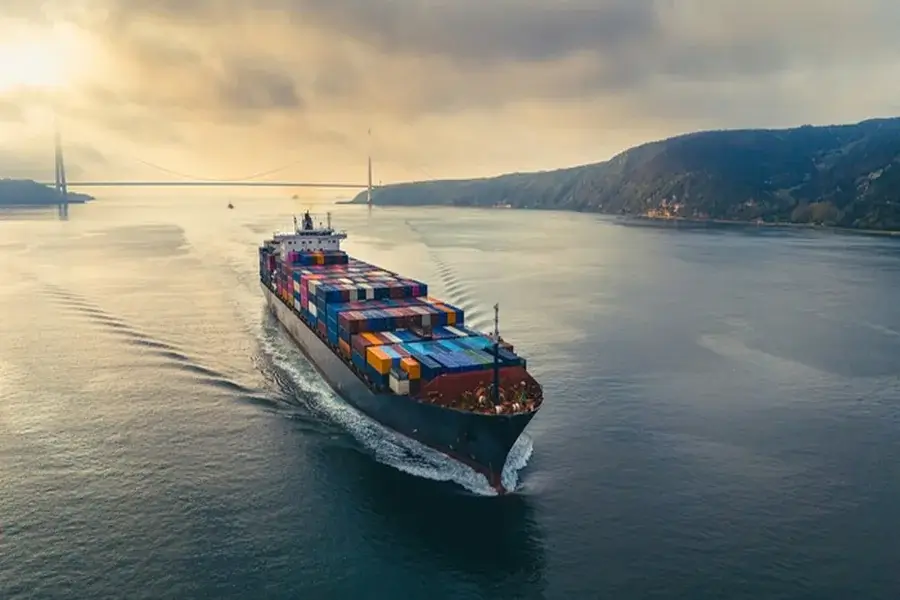
When you’re shipping large volumes of goods, it’s not something you want to leave to the last minute. Whether you’re moving raw materials, finished products, or something in between, a little planning goes a long way. Timing, cost, and reliability all come into play — and understanding how different freight services work can help you make smarter choices from the start.
A lot of people assume air freight is faster and better. And while it’s true for smaller or time-sensitive loads, choosing the right sea freight services can offer big advantages when you’re sending bulk shipments across long distances. It all comes down to what you’re shipping, how soon you need it, and how much you’re willing to spend.
Think About Timing Before You Book
Sea freight doesn’t move at lightning speed. Depending on your route and carrier, shipments can take anywhere from a couple of weeks to more than a month. That’s why timing is everything. If you’re under pressure to meet a launch date or replenish seasonal stock, you’ll need to work backwards from your deadline and factor in things like customs clearance and port delays.
Try to avoid peak periods when booking, like pre-holiday seasons or just before the end of the financial year. These can increase transit times and costs. Giving yourself extra wiggle room is never a bad idea when working with ocean schedules.
Know Your Container Options
There’s more than one way to pack a shipping container. If you’re not filling a whole one, you might end up paying for space you don’t need. That’s where options like LCL (Less than Container Load) can help. You’ll share the container with others and only pay for the space you use.
On the flip side, if you’ve got enough to fill a container, FCL (Full Container Load) is usually more secure and quicker to load and unload. Make sure to measure and weigh everything ahead of time so you don’t end up dealing with unexpected surcharges or hold-ups, and consider solutions like DTC Fulfillment Returns to streamline the return process efficiently.
Double-Check Your Documents
You’d be surprised how often delays come down to simple paperwork issues. Customs authorities won’t hesitate to hold up your goods if anything looks off. Before your cargo is loaded, make sure all your documents — bills of lading, commercial invoices, packing lists — are accurate and complete.
If you’re unsure about the requirements for your destination country, work with a freight forwarder or customs broker. They’re across the latest rules and can save you a lot of hassle in the long run.
Pack Smart to Protect Your Goods
Rough seas and long transit times can take a toll on your shipment if it’s not packed well. That doesn’t mean going overboard with bubble wrap, but it does mean using sturdy, stackable packaging that won’t collapse or shift in transit.
Label everything clearly, especially if you’re dealing with mixed pallets or hazardous items. Strong internal packaging can help prevent damage and reduce the chance of costly insurance claims or customer complaints later.
Don’t Skip Insurance — Seriously
Shipping insurance might seem like an optional extra, but it’s one of those things you’ll wish you had if something goes wrong. Cargo can be lost, damaged, or delayed for all sorts of reasons, from bad weather to accidents at sea.
Look into different levels of coverage and think about what would happen if your shipment didn’t arrive on time — or at all. The extra cost upfront can give you peace of mind when your goods are halfway around the globe.
Think Beyond Port to Port
Getting your goods from port to port is just part of the story. You also need to figure out how they’ll get to their final destination. That could involve warehousing, customs clearance, or arranging local transport — all of which need to be sorted ahead of time.
Some freight providers offer door-to-door options that bundle everything together. Others might just handle the shipping itself. Make sure you know what’s included before you book, so there are no nasty surprises when your cargo lands.
Learn What Affects Shipping Costs
Rates aren’t just about distance. They’re influenced by fuel prices, route popularity, container availability, and even international politics. It helps to understand how global freight pricing works so you can budget with more confidence and identify when it might be worth holding off or switching routes.
Getting quotes from a few providers and asking them to break down the charges can give you a clearer picture. Don’t be afraid to ask questions if something doesn’t make sense.
Final Thoughts
When you’re dealing with big shipments, planning ahead isn’t just helpful — it’s essential. Taking the time to understand your freight options, prepping your documents, and getting the timing right can save you from a lot of stress later on. A bit of prep now makes for smoother sailing all the way to your destination.