
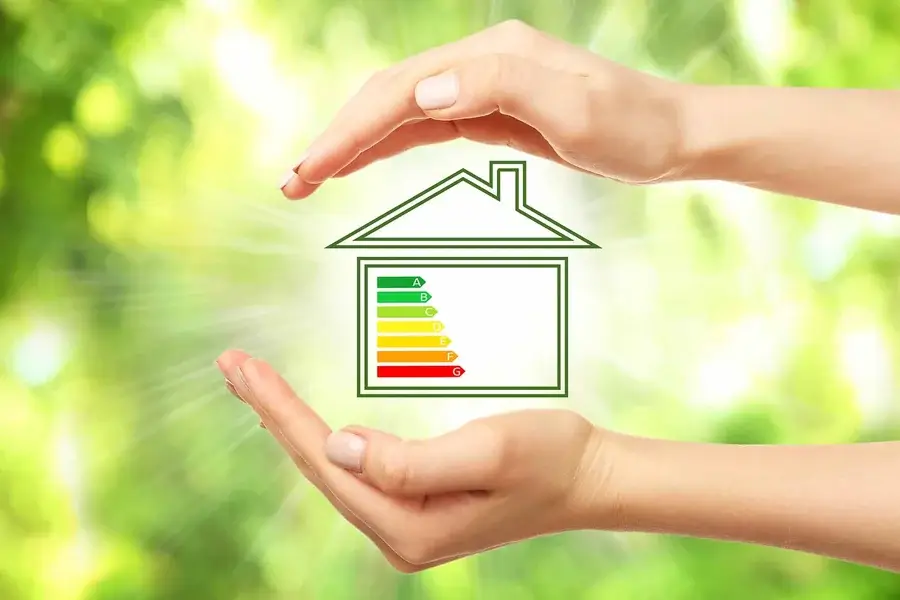
As energy costs continue to rise and environmental concerns grow, making your home more energy efficient has become both a financial and ecological priority. Improving your home’s energy efficiency not only reduces utility bills but also lowers your carbon footprint, contributing to a more sustainable future. This detailed guide will walk you through practical steps and proven strategies to make your home more energy efficient in 2025 and beyond.
Understanding Energy Efficiency in the Home
Energy efficiency means using less energy to perform the same task or activity. In the context of a home, this involves optimizing your heating, cooling, lighting, appliances, and overall building structure to minimize energy waste. Energy-efficient homes maintain comfort and functionality while consuming less power, which benefits your wallet and the planet.
Conduct a Home Energy Audit
Before making improvements, start with a professional home energy audit or a DIY assessment to identify where energy loss is occurring. Audits analyze insulation levels, HVAC efficiency, air leaks, window performance, and appliance energy consumption.
A comprehensive audit highlights areas of heat loss, drafts, and inefficient systems. Many utility companies offer free or discounted energy audits. The insights gained will help you prioritize upgrades that yield the highest return on investment in energy savings. Go explore what’s trending right now on wordstreetjournal.
Enhance Home Insulation
Proper insulation is the cornerstone of an energy-efficient home. It reduces heat loss in winter and keeps your home cooler in summer, lowering the demand on heating and cooling systems.
- Attic Insulation: Since heat rises, a poorly insulated attic can cause substantial energy loss. Adding or upgrading insulation in the attic using materials like fiberglass, cellulose, or spray foam significantly improves thermal resistance.
- Wall Insulation: Many older homes have insufficient wall insulation. Installing blown-in insulation or rigid foam boards can prevent heat transfer through walls.
- Floor and Basement Insulation: Insulating floors above unheated spaces and sealing basement walls prevent energy leakage and cold drafts.
Improving insulation can reduce heating and cooling energy use by up to 20-30%, resulting in noticeable utility bill savings.
To further enhance your home’s energy efficiency, consider upgrading your HVAC system. Modern systems are designed to consume less energy while providing optimal comfort. Consulting with professionals like Alford Mechanical can help you choose the right system tailored to your needs. They can assess your current setup and recommend solutions that maximize efficiency and reduce utility bills. Additionally, regular maintenance of your HVAC system ensures it operates at peak performance, preventing energy wastage. By investing in these upgrades, you not only contribute to a greener environment but also enjoy long-term savings. Remember, a well-maintained system is key to sustaining energy efficiency in your home.
Seal Air Leaks and Improve Weatherstripping
Even the best insulation won’t be effective if your home has air leaks. Common leak sites include gaps around doors, windows, electrical outlets, plumbing penetrations, and recessed lighting.
- Use caulk to seal small cracks and gaps.
- Apply weatherstripping around doors and operable windows.
- Install door sweeps at the bottom of exterior doors.
Sealing air leaks not only enhances energy efficiency but also improves indoor air quality by reducing dust and pollen infiltration.
Upgrade Windows and Doors
Windows and doors are significant sources of energy loss in many homes. Upgrading to energy-efficient options can drastically reduce heat transfer, which is especially important when comparing who has the cheapest electricity rates in texas to maximize overall energy savings.
- Double or Triple-Pane Windows: Modern windows with multiple panes filled with inert gas (argon or krypton) offer superior insulation.
- Low-E Coatings: Windows with low-emissivity coatings reflect infrared heat while allowing visible light, improving thermal performance.
- Energy Star-Rated Doors: Doors with insulated cores and tight seals prevent drafts and heat loss.
If replacement isn’t immediately feasible, using thermal curtains, window films, or storm windows can improve energy performance temporarily.
Optimize Heating, Ventilation, and Air Conditioning (HVAC) Systems
HVAC systems typically consume the largest share of a home’s energy. Enhancing their efficiency is crucial.
- Regular Maintenance: Change filters regularly, clean ducts, and schedule annual professional tune-ups to maintain peak system performance.
- Upgrade to Energy-Efficient Models: Consider replacing outdated furnaces, boilers, or air conditioners with ENERGY STAR-rated units that use less energy and provide better climate control.
- Install a Programmable or Smart Thermostat: These devices optimize heating and cooling schedules based on your lifestyle, reducing energy waste during unoccupied periods.
- Seal and Insulate Ductwork: Leaky ducts can waste up to 20% of heating and cooling energy.
Implementing these measures can reduce your HVAC energy consumption by 15-30%.
Switch to LED Lighting
Lighting accounts for about 10% of home energy use. Transitioning to LED bulbs is one of the easiest and most cost-effective ways to cut energy consumption.
LEDs use up to 85% less energy than traditional incandescent bulbs and last 15 to 25 times longer. Replace all incandescent and CFL bulbs with LEDs in fixtures, lamps, and outdoor lighting. Also, consider installing motion sensors or smart lighting controls to avoid unnecessary lighting.
Use Energy-Efficient Appliances
Appliances consume a substantial portion of residential energy, especially refrigerators, washing machines, dryers, and ovens.
- Look for ENERGY STAR-certified appliances which meet strict energy efficiency guidelines.
- When replacing old appliances, prioritize models with advanced features like inverter motors and eco modes.
- Use appliances efficiently—run full loads in dishwashers and washing machines and opt for cold water cycles when possible.
Energy-efficient appliances can reduce your electricity usage significantly while delivering the same performance.
Incorporate Renewable Energy Sources
Installing solar panels or small-scale wind turbines is an excellent way to reduce reliance on grid electricity and lower utility bills.
- Solar Photovoltaic (PV) Systems: Modern solar panels are more efficient and affordable than ever. They convert sunlight into electricity, which can power your home or feed excess energy back to the grid.
- Solar Water Heaters: These use solar energy to heat water, cutting down on electric or gas water heating costs.
- Solar Battery Storage: Pairing solar with battery storage ensures energy availability even during outages and maximizes self-consumption.
Government incentives and tax credits often make renewable installations financially viable. Even partial adoption of renewable energy dramatically increases home energy efficiency.
Manage Water Heating Efficiency
Water heating can account for up to 18% of your home’s energy use. Improving efficiency in this area offers noticeable savings.
- Upgrade to Tankless Water Heaters: On-demand water heaters heat water only when needed, avoiding standby losses common in traditional tanks.
- Insulate Water Heaters and Pipes: Wrapping your water heater and insulating hot water pipes reduce heat loss.
- Lower Water Heater Temperature: Setting the thermostat to 120°F (49°C) is sufficient for most uses and reduces energy consumption.
Smart Home Technology for Energy Management
Smart home technology provides real-time data and automation that improve energy efficiency:
- Smart Plugs and Power Strips: These devices reduce phantom loads by cutting power to electronics when not in use.
- Energy Monitoring Systems: Track consumption patterns, identify energy hogs, and receive actionable recommendations.
- Automated Blinds and Shades: Control natural light to reduce heating and cooling demands.
Integrating these smart technologies helps create an energy-conscious household.
Landscaping for Energy Efficiency
Believe it or not, your yard and garden can impact your home’s energy use.
- Plant Shade Trees: Strategically placed deciduous trees provide summer shade and allow sunlight in winter.
- Use Windbreaks: Shrubs and evergreen trees shield your home from cold winter winds.
- Green Roofs and Walls: These natural insulators reduce heat gain and loss.
Thoughtful landscaping acts as an energy buffer, enhancing your home’s efficiency naturally.
Behavioral Changes That Complement Energy Efficiency
Finally, technology and upgrades must be complemented by mindful habits:
- Turn off lights and unplug devices when not in use.
- Use natural light whenever possible.
- Set thermostats lower in winter and higher in summer.
- Use fans to improve air circulation before resorting to AC.
Small, consistent behavior changes amplify the impact of energy-efficient improvements.
Conclusion
Making your home more energy efficient in 2025 requires a comprehensive approach that blends smart upgrades, renewable energy adoption, and conscious lifestyle adjustments. From sealing leaks and improving insulation to embracing solar power and smart technology, every step reduces energy waste and utility costs while promoting environmental responsibility.
By investing in energy efficiency today, you ensure long-term comfort, savings, and sustainability for your household.