
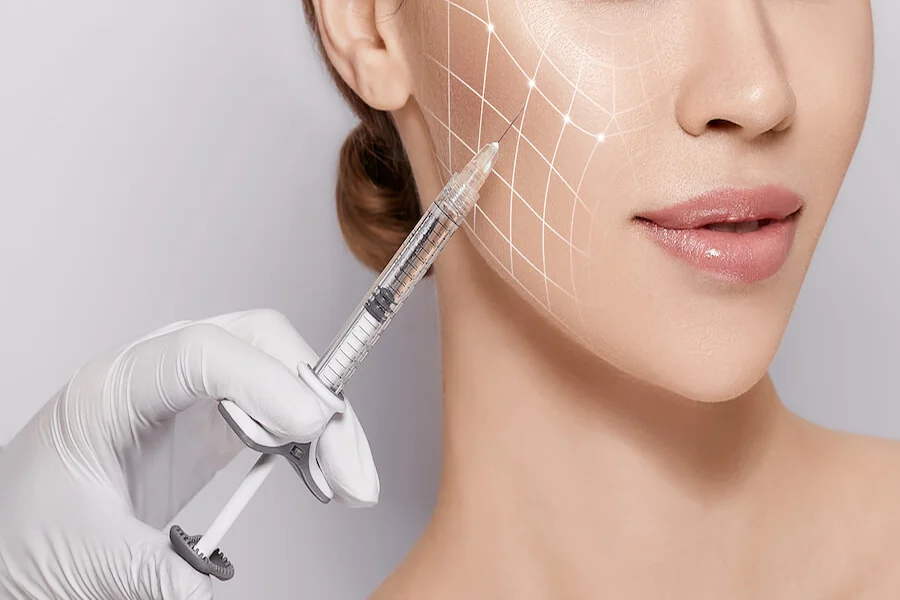
Dehydrated skin can appear dull, feel tight and make fine lines more noticeable, particularly around the eyes and cheeks. Unlike dry skin, which is often associated with insufficient natural oil production, dehydrated skin lacks water and can affect people with different skin types. While a consistent skincare routine may help maintain moisture levels, some individuals may consider injectable treatments to address persistent concerns.
Skin boosters Singapore treatments are designed to improve skin hydration and overall skin quality in suitable patients, depending on the formulation used and individual skin needs. A consultation at a skin boosters clinic in Singapore can help determine whether this treatment is appropriate for your skin concerns and what results you may realistically expect.
How Dehydration Can Make Fine Lines More Noticeable
Dehydration can affect the appearance and texture of the skin by reducing its water content, making it feel less supple and causing fine lines to appear more prominent. Common contributing factors include prolonged exposure to air-conditioned environments, sun exposure, ageing and skincare products that disrupt the skin barrier. Dehydration-related lines may become less noticeable when the skin is adequately hydrated, whereas deeper wrinkles can result from repeated facial movements, collagen loss and changes in skin structure over time.
Although these concerns may look similar, they do not necessarily respond to the same treatments. Understanding whether fine lines are primarily associated with dehydration or other skin changes helps determine the most appropriate approach to improving skin texture and appearance.
What Are Skin Boosters And How Do They Work?
Skin boosters are injectable treatments designed to improve selected aspects of skin quality, such as hydration, smoothness and elasticity, rather than primarily adding facial volume. Some formulations contain hyaluronic acid, a substance naturally found in the body that attracts and retains water. When injected into targeted areas of the skin, suitable hyaluronic acid-based products may help improve moisture levels and skin texture.
However, skin boosters vary in their ingredients, properties and intended uses, so their effects depend on the specific product and individual skin condition. While these treatments may complement a skincare routine, they do not replace daily moisturising, sun protection or other measures that support the skin barrier. A dermatologist can assess whether skin boosters are appropriate based on the patient’s concerns and treatment goals.
Can Skin Boosters Help With Fine Lines and Dehydrated Skin?
Skin boosters may help improve the appearance of superficial fine lines associated with dehydration by increasing skin hydration and supporting a smoother-looking complexion. Areas such as the cheeks and selected parts of the face may benefit when dehydration contributes to rough texture or a less supple appearance.
However, results depend on the formulation used, the injection technique and the individual’s skin condition. Skin boosters are not designed to eliminate all types of wrinkles, particularly deeper lines caused by repeated facial movements, significant collagen loss or volume changes.
Other treatments may be more appropriate for these concerns. During a consultation, a dermatologist can assess the underlying causes of visible fine lines and discuss whether skin boosters, other treatments or a combination of approaches may better suit the patient’s needs.
Who May Be Suitable For Skin Boosters?
Skin boosters may be suitable for individuals experiencing persistent skin dehydration, rough texture or early fine lines despite following an appropriate skincare routine. However, not everyone with these concerns will benefit from injectable treatment. A dermatologist should assess the skin condition, medical history, treatment goals and any previous aesthetic procedures before recommending a suitable option. Factors such as active skin infections, inflammation or irritation at the intended injection sites may mean that treatment needs to be postponed until the skin has recovered.
Patients should also discuss any allergies, medications and relevant medical conditions during the consultation. Choosing an appropriate treatment depends on the individual’s circumstances and the specific product being considered, rather than age or the presence of fine lines alone. This assessment helps establish realistic expectations and determine whether skin boosters are an appropriate option.
What To Expect From Skin Booster Treatment, Including Risks and Aftercare
Before treatment, a dermatologist will assess the skin, discuss the intended results and determine whether the selected product is suitable. The procedure typically involves injecting small amounts of the product into targeted areas, with the duration depending on the treatment area and technique. Some patients may require multiple sessions, depending on the formulation and their skin concerns. Temporary side effects can include redness, swelling, tenderness, bruising and small bumps at the injection sites.
Although uncommon, more serious complications such as infection or vascular injury are possible and require prompt medical attention. After treatment, patients should follow their clinician’s aftercare instructions and avoid unnecessary irritation while the skin recovers. Results and their duration vary between individuals, so any maintenance sessions should be discussed with the treating dermatologist based on the response to treatment and ongoing skin needs.
Choosing The Right Approach To Fine Lines and Dehydrated Skin
Skin boosters may help improve hydration, texture and the appearance of superficial fine lines in suitable patients, but they are not a universal solution for every sign of skin ageing. Understanding whether the concern stems from dehydration, collagen loss, repeated facial movements or other skin changes is an important first step towards selecting an appropriate treatment.
A consistent skincare routine, daily sun protection and suitable moisturising products remain essential for maintaining skin health. For those considering injectable treatments, a consultation with a dermatologist can help clarify the potential benefits, limitations and risks based on individual skin needs.
Conclusion
Dehydrated skin can make fine lines more noticeable, but the right approach depends on the underlying cause. Skin boosters may help improve hydration and skin texture in suitable patients, although results vary and deeper wrinkles may require other treatments. A consultation with our skin doctor can help you understand your options and determine a suitable approach for your skin concerns. Details below: