
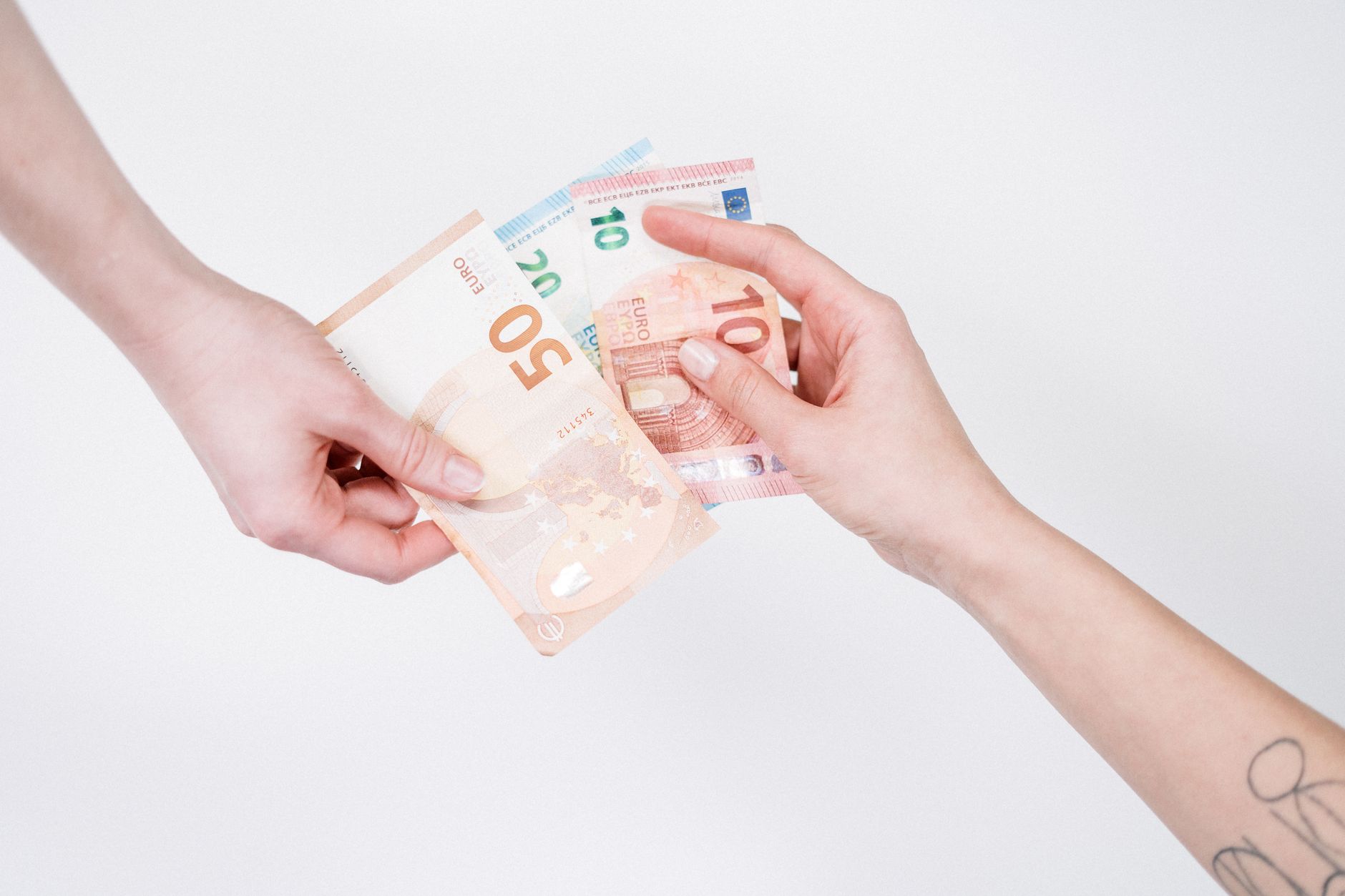
It usually starts with pain, confusion, and paperwork. You may still be trying to understand what happened, but the bills are already showing up. The ambulance bill comes first, then the emergency room, then imaging, follow-up care, physical therapy, and prescriptions. If the crash involved a drunk driver, one question tends to sit above everything else: who is actually going to pay for this? For guidance, visit rogervarnerlaw.com.
The short answer is that payment often comes from more than one place. Your own health insurance may cover treatment first. Auto insurance may pay some bills, depending on the policies involved and the state rules. If the impaired driver caused the crash, their liability coverage may reimburse your losses through a claim or settlement. If coverage is limited or denied, a personal injury lawyer can help identify every available source of recovery and push back when insurers try to shift the cost onto you.
Medical bills after a drunk driving crash often hit before fault is sorted out
You do not get to pause treatment while insurance companies argue. That is one of the hardest parts. You may know the other driver was drunk, and the public safety data on impaired driving makes clear how serious these crashes are, but fault and payment still move on separate tracks in the beginning.
Hospitals want payment. Doctors submit claims. Your health insurer may pay some charges, deny others, or ask for more records. If you have MedPay or personal injury protection through your own auto policy, that coverage may help with immediate medical costs regardless of fault. If you do not, you may be left using health insurance or paying out of pocket while the claim develops.
This is where people get squeezed. You are injured, you miss work, and someone else caused it, yet you are the one fielding collection notices. If the drunk driver has low policy limits, no insurance, or a carrier that drags its feet, the pressure gets worse fast.
The driver who caused the DUI accident may be legally responsible, but that does not mean payment is immediate
Legal responsibility and actual payment are not the same thing. If another driver caused the wreck while intoxicated, that driver is usually liable for your medical expenses, lost income, pain and suffering, and other losses. The problem is that claims take time, and insurance companies often look for ways to reduce what they pay.
You may hear arguments about pre-existing injuries, gaps in treatment, or whether every medical visit was necessary. Crash severity can also become a point of dispute, even though injury patterns can vary widely. Federal transportation and injury data, including coding used in crash outcome analysis from NHTSA crash outcome systems, reflect how complex injury evaluation can be after a collision.
That matters because a settlement usually comes at the end of the case, not the beginning. Until then, your bills still need attention. In some cases, providers agree to wait for payment through a medical lien. In others, your health insurer pays first and later seeks reimbursement from the settlement. That process is often called subrogation. If nobody addresses those claims carefully, you can end up with less of the settlement than you expected.
Insurance sources that may cover your medical bills after a DUI wreck
Several coverage paths may apply after a drunk driving injury crash. One claim rarely tells the whole story. The CDC’s transportation safety resources show how many moving parts exist in serious roadway injuries, from emergency response to long-term care needs. You can review that broader context through CDC transportation safety information.
|
Possible Payment Source |
How It Helps |
Common Problem |
|
Your health insurance |
Often pays for treatment right away, subject to deductibles and network rules |
May deny some care or seek repayment from your settlement |
|
MedPay or PIP on your auto policy |
Can cover medical bills quickly, often regardless of fault |
Coverage limits may be low |
|
The drunk driver’s liability insurance |
May reimburse medical costs and other losses if their insured caused the crash |
Payment usually comes later and may be disputed |
|
Uninsured or underinsured motorist coverage |
May apply if the at-fault driver has no insurance or too little coverage |
Your own insurer may still challenge the value of the claim |
|
Medical liens or provider agreements |
Can delay collection until the case resolves |
Reduces what you take home from a settlement if not negotiated |
If you are asking about who covers medical expenses after a drunk driving crash, the answer often depends on timing. One source may pay first, another may reimburse later, and a third may fight responsibility altogether. That is why early claim handling matters so much.
A DUI injury claim can affect more than hospital bills
Medical expenses are usually the first worry, but they are not the only loss. A broken wrist can keep you from working. A concussion can make normal days feel strange for months. Back injuries often look manageable at first and then become the reason you cannot sleep, drive, lift, or sit through a workday.
When people think about a DUI accident medical bills claim, they sometimes focus only on the invoices in front of them. The bigger picture includes future treatment, rehabilitation, lost earnings, and the cost of living with pain that should never have been part of your life. If a settlement comes too early or leaves out future care, you are the one left carrying that gap.
Three steps to protect yourself right now
1. Keep every bill, record, and explanation of benefits. Save hospital paperwork, receipts, pharmacy costs, imaging reports, and insurance letters. A clean paper trail helps show what the crash caused and what it has cost you.
2. Follow your treatment plan and document how you feel. Missed appointments and long gaps in care can be used against you. Write down your symptoms, limits, sleep issues, missed work, and daily struggles. That record can support both medical care and your injury claim.
3. Speak with a lawyer before accepting an insurance payout. Early offers often focus on closing the file cheaply, not covering the full cost of your recovery. A lawyer can review coverage, deal with liens, calculate future losses, and pursue the drunk driver’s insurer or other available policies.
You do not have to sort out a drunk driving accident claim alone
If you are hurt and the bills are stacking up, the law may give you a path to recover far more than the first insurance adjuster admits. The key is making sure the right coverage is tapped, the medical record is built properly, and the full cost of the crash is taken seriously. A personal injury lawyer can help you protect your claim, reduce mistakes, and fight for payment from the parties who should be responsible.
You have enough to deal with already. Get clear advice, protect your treatment, and take the next step toward holding the drunk driver accountable.