
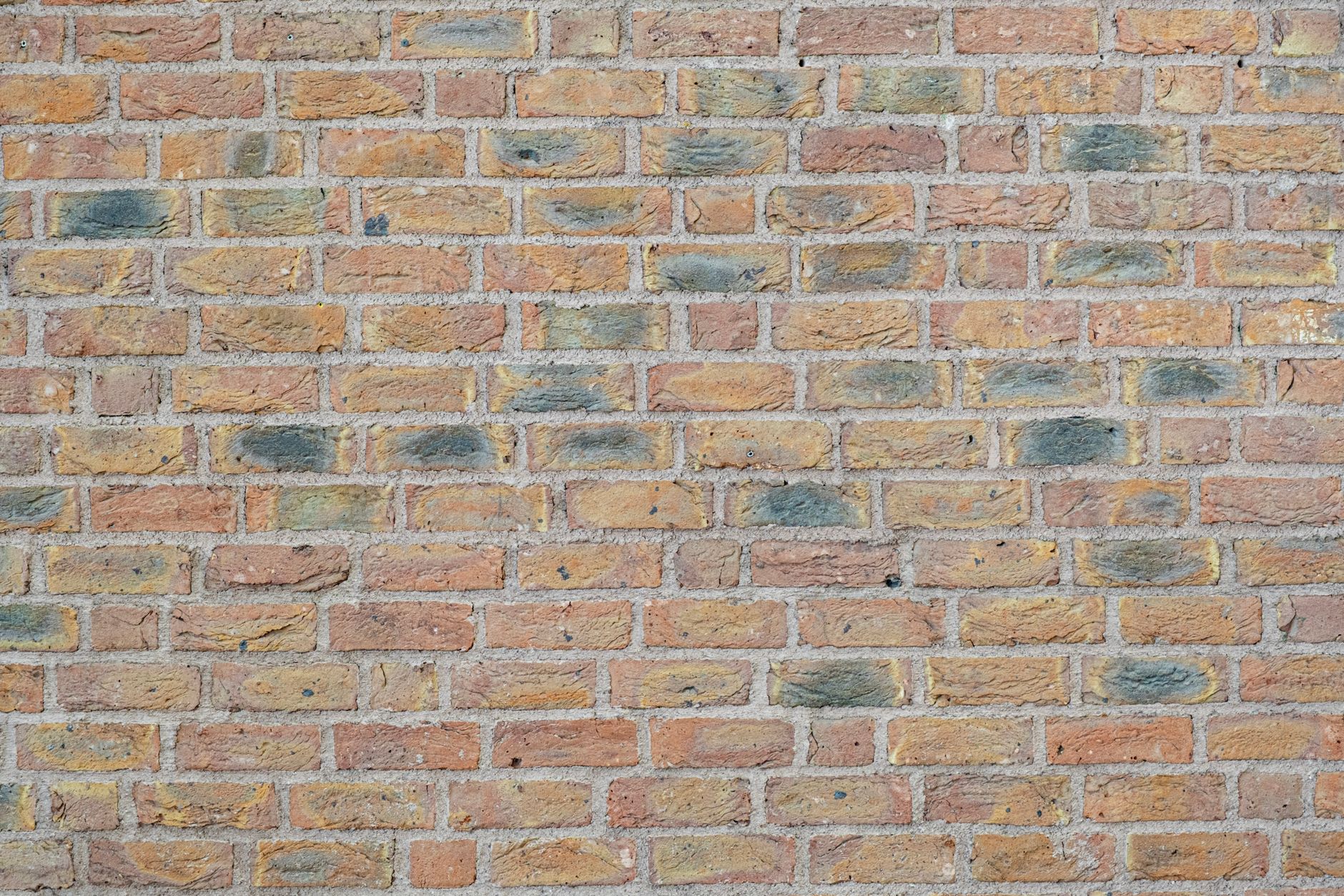
Masonry is one of the most durable construction materials used in buildings. Brick, stone, and concrete structures can last for generations when properly maintained. However, even the strongest masonry systems are affected by weather, moisture, and environmental conditions over time.
For older buildings, masonry restoration is an essential part of preserving both structural integrity and architectural character.
Understanding Masonry Deterioration
Masonry materials are constantly exposed to rain, snow, temperature changes, and air pollution. These factors gradually contribute to cracks, mortar deterioration, surface damage, and water infiltration.
While some signs of wear may appear minor, they often indicate underlying issues that can worsen if ignored. Small cracks can expand, mortar joints can weaken, and moisture can penetrate deeper into the building structure.
Routine inspections help property owners identify these concerns before they develop into major restoration projects.
Preventing Water Damage
One of the primary goals of masonry restoration is protecting the building from water intrusion. Damaged mortar joints and deteriorated masonry surfaces often allow moisture to enter exterior walls.
Once water penetrates the structure, it can contribute to mold growth, material deterioration, and freeze-thaw damage. Over time, these issues may affect both appearance and structural performance.
Many property owners rely on services such as https://novaconstructionservices.com/services/facade-restorations/masonry-restoration/ to address masonry deterioration before moisture causes more extensive damage.
Preserving Architectural Character
Older buildings often feature unique architectural details that contribute to their historical and aesthetic value. Masonry restoration helps preserve these features while improving structural stability.
Rather than replacing original materials whenever possible, restoration focuses on repairing and strengthening existing elements. This approach helps maintain the building's character while extending its lifespan.
For historic and landmark properties, preserving original masonry is often particularly important.
Reducing Long-Term Repair Costs
Like many maintenance issues, masonry problems are generally easier and less expensive to address when caught early. Delaying repairs often allows deterioration to spread, increasing restoration costs.
Investing in preventive maintenance can help property owners avoid larger structural repairs while protecting the value of their property.
Conclusion
Masonry restoration is about more than appearance. It helps protect buildings from water damage, preserve architectural details, and extend the lifespan of exterior materials. By addressing masonry issues early, property owners can reduce long-term maintenance costs while maintaining the integrity of their buildings.