
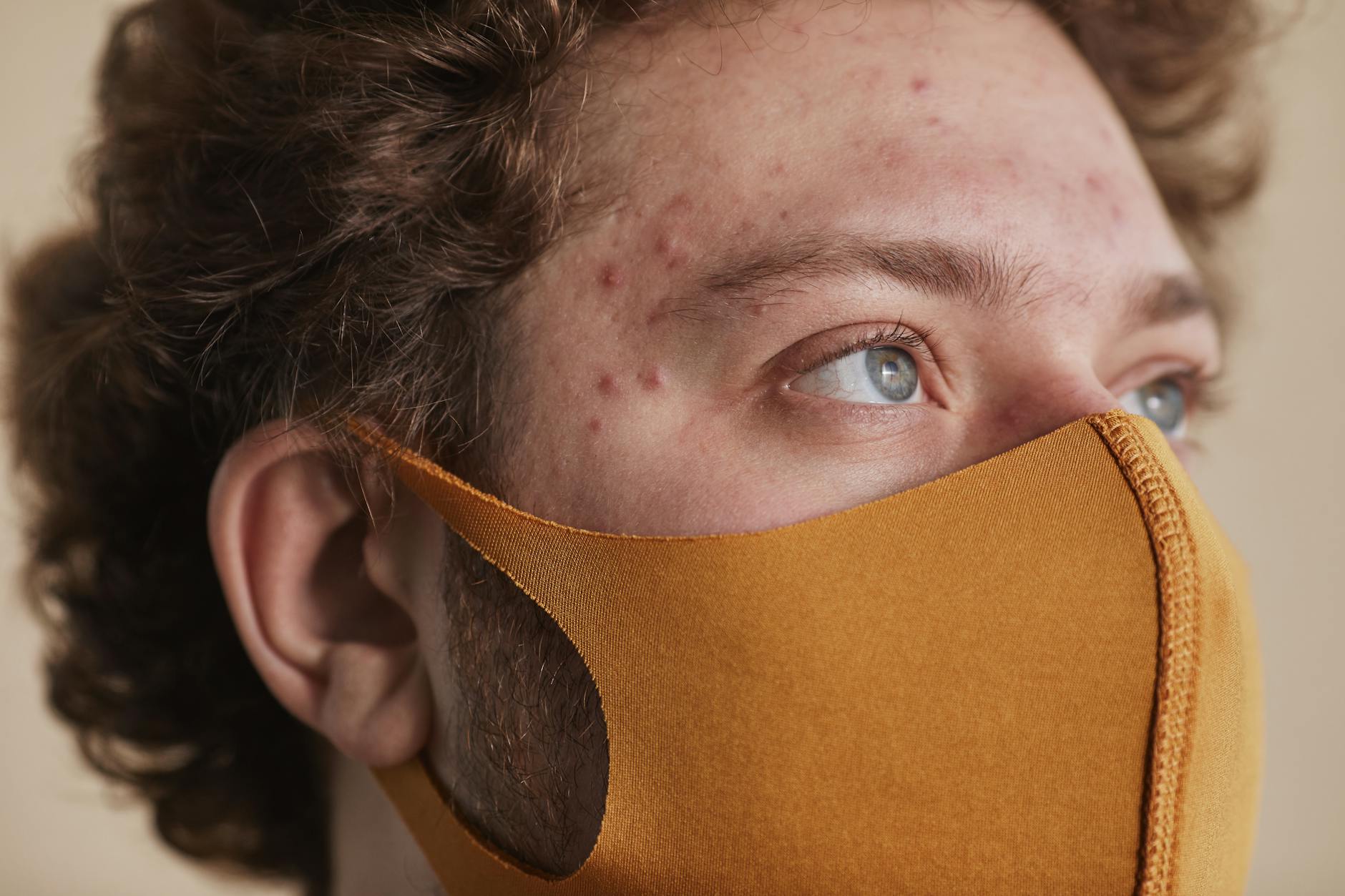
Pigmentation Doctor Singapore on Post-Acne Marks and How to Treat Them
Post-acne marks are one of the most common concerns patients notice even after active acne has settled. These marks, often referred to as post-inflammatory hyperpigmentation (PIH), are not the same as acne itself, they are the lingering discoloration left behind after the skin has healed from inflammation.
While acne involves active breakouts such as pimples and cysts, post-acne pigmentation is primarily a skin colour change that can appear brown, red, or sometimes purplish depending on skin tone and severity. In Singapore, many patients find these marks particularly persistent due to frequent sun exposure and a higher tendency toward pigmentation in Asian skin types, making professional evaluation important.
This is where seeing a pigmentation doctor Singapore can be helpful, as treatment needs to be tailored to both skin type and the underlying cause of discoloration. For a deeper understanding of why certain pigmentation treatments may not deliver expected results and what to consider instead, read more here https://onefaceclinic.com/pigmentation-laser-doesnt-improve-singapore/.
Post-acne pigmentation develops as part of the skin’s natural healing response after inflammation. When acne lesions such as pimples or cysts occur, they trigger an inflammatory process in the skin. In response, melanocytes, the pigment-producing cells, can become overactive and produce excess melanin, which leads to visible darkening or discoloration of the affected area. This is known as post-inflammatory hyperpigmentation (PIH).
Several factors can make pigmentation more likely or more severe. Picking or squeezing pimples increases inflammation and can push pigment deeper into the skin. Delayed or inadequate acne treatment may also prolong inflammation, giving pigmentation more time to develop. In Singapore, UV exposure is a major aggravating factor, as sunlight stimulates melanin production and can cause existing marks to darken and persist longer.
Types of Post-Acne Marks
Post-acne marks are not all the same, and correctly identifying the type of pigmentation is important before deciding on treatment. The most common form is post-inflammatory hyperpigmentation (PIH), which appears as brown or dark patches on the skin. This happens due to excess melanin production after inflammation and is especially common in medium to deeper skin tones.
Another type is post-inflammatory erythema (PIE), which presents as red or pink marks. Unlike PIH, these are caused by dilated or damaged blood vessels rather than excess pigment, and therefore may respond differently to treatment approaches. Some patients may also experience a combination of both pigmentation and redness, resulting in uneven skin tone that can be more complex to manage.
Common types of post-acne marks include:
- Post-Inflammatory Hyperpigmentation (PIH): Brown or dark marks caused by excess melanin
- Post-Inflammatory Erythema (PIE): Red or pink marks due to vascular changes
- Mixed Post-Acne Marks: Combination of pigment and redness leading to uneven skin tone
Because each type responds differently to treatments such as topical medication, chemical peels, or lasers, accurate diagnosis is essential.
Medical Treatments Available
There are several medical treatment options available for post-acne pigmentation, and the most suitable approach depends on the type, depth, and severity of the marks. In clinical practice, treatment is often a combination of topical therapy, in-clinic procedures, and strict sun protection to prevent further darkening.
Common medical treatments include:
- Prescription topical creams: Ingredients such as retinoids, azelaic acid, hydroquinone alternatives, and vitamin C derivatives help to gradually lighten pigmentation and improve skin renewal.
- Chemical peels: These exfoliate the outer skin layer, helping to reduce superficial pigmentation and improve overall skin tone.
- Laser treatments: Pigment-targeting lasers and fractional lasers can break down excess melanin and stimulate skin repair, especially for more persistent or deeper pigmentation.
Each treatment has different indications and downtime considerations, and not every option is suitable for every skin type.
Why Not All Treatments Work for Everyone
Not all post-acne pigmentation responds the same way to treatment, and this is where many patients become frustrated. A product or laser that works well for one person may show minimal improvement for another, especially when the underlying cause of pigmentation is different or not correctly identified. Factors such as skin type, depth of pigment, and ongoing inflammation all influence treatment outcomes.
Asian skin, which is more prone to post-inflammatory pigmentation, also requires careful selection of treatments. Over-aggressive lasers or unsuitable procedures can sometimes trigger more pigmentation, a condition known as post-inflammatory hyperpigmentation rebound. Similarly, relying solely on skincare products without addressing deeper pigmentation may lead to slow or limited results.
Timeline and Expectations for Improvement
Improvement of post-acne pigmentation is a gradual process, and results should be expected over weeks to months rather than days. The skin requires time to naturally regenerate and shed pigmented cells, and this process can vary depending on the depth of the pigmentation and individual skin healing response.
Superficial pigmentation may begin to fade within a few weeks with consistent treatment, while deeper or more stubborn marks can take several months to show significant improvement. Factors such as sun exposure, adherence to treatment plans, and ongoing acne activity can also influence the rate of recovery. In Singapore’s sunny climate, strict daily sun protection is especially important to prevent pigmentation from worsening or reappearing.
Conclusion
Post-acne pigmentation is a common but manageable skin concern that often requires more than just over-the-counter skincare to improve. Because different types of marks, such as brown pigmentation or red post-acne marks, respond differently to treatment, understanding the underlying cause is an important first step.
With the right combination of medical treatments, sun protection, and consistent skincare, most patients can expect gradual but meaningful improvement over time. To better understand your post-acne pigmentation and explore suitable treatment options, you may book a consultation at our clinic:
One Face Clinic – Pigmentation | Melasma Treatment | Acne Singapore
1 Tras Link, #02-01 Orchid Hotel Singapore, Singapore 078867 | +65 6222 2262